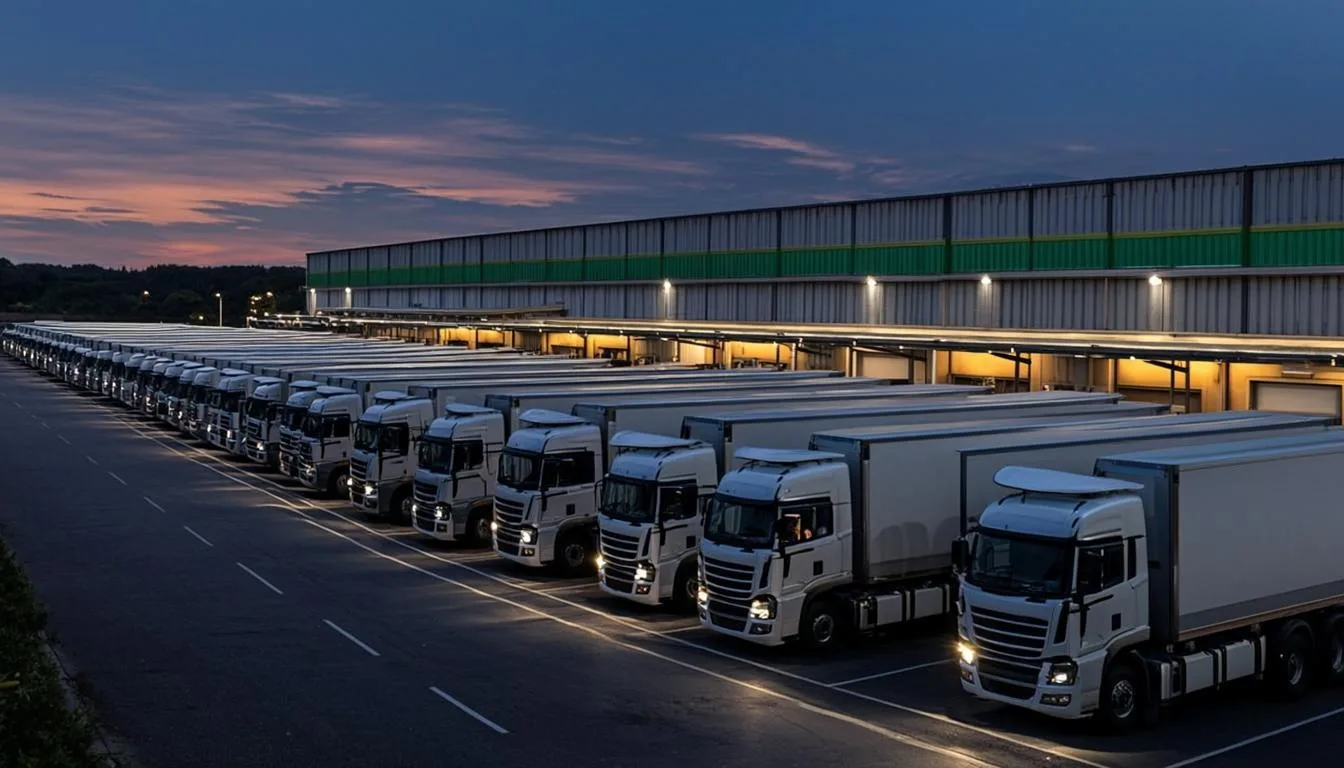
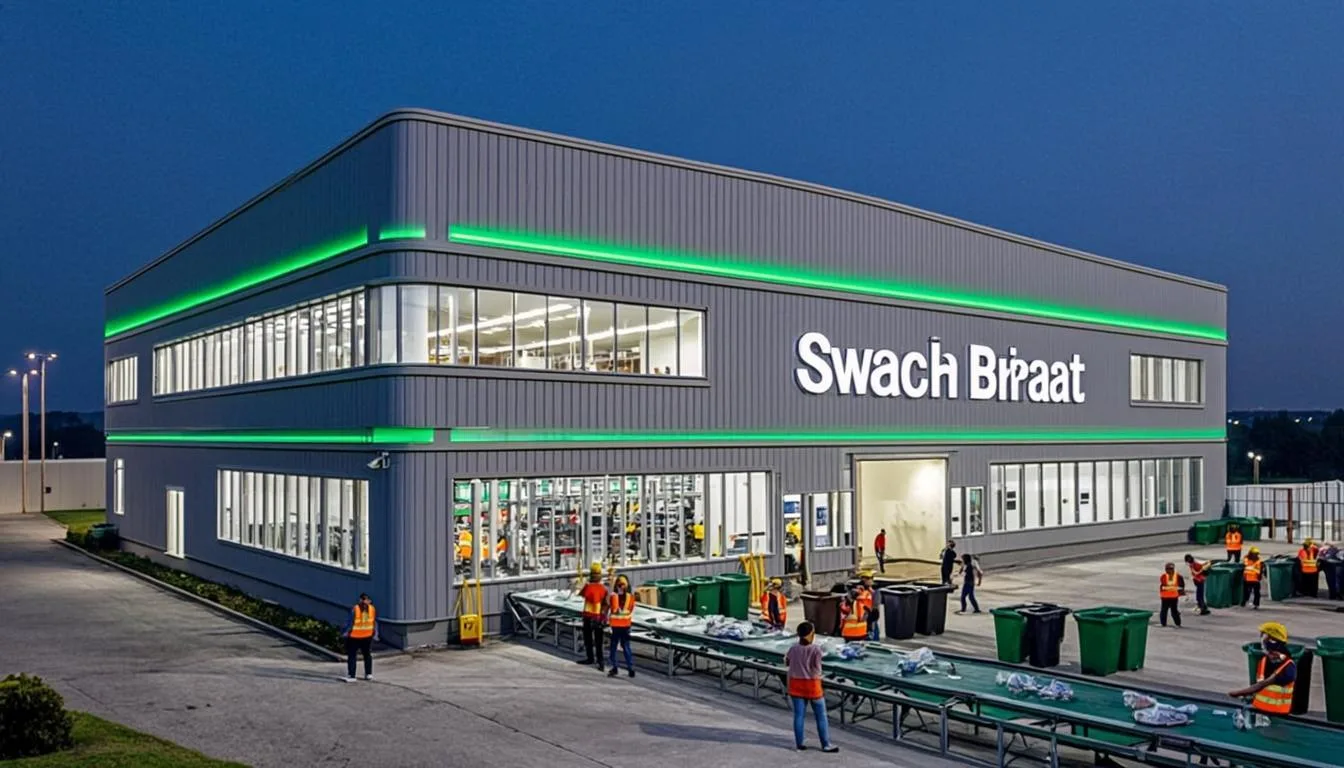
Door-to-door collection is the visible part of Swachh Bharat. The harder work — segregation at source, processing capacity and sanitation-worker dignity — is where cities win or lose.
The Swachh Bharat Mission is often measured by tonnage collected and wards covered. Those numbers matter, but they describe inputs, not outcomes. A ward can be 'covered' and still send 80% of its waste to a landfill.
The first real lever is segregation at source. Wet, dry and hazardous streams need to be separated before they ever reach a collection vehicle — not at a distant processing plant. This is unglamorous, repetitive work that depends on household behaviour, not machinery.
The second lever is processing capacity that matches the segregated stream. Segregated wet waste is only valuable if there is a composting or biogas facility within a sensible haul radius. Segregated dry waste is only valuable if there is a material recovery facility that can actually sort and bale it.
The third — and most under-discussed — lever is the sanitation workforce. Gloves, training, fixed hours, safety gear and a written grievance channel are not perks. They are the operating conditions that determine whether a waste program survives its first political transition.
When Greenics scopes a municipal engagement, we design against all three levers together. A collection route that does not connect to processing capacity is theatre. Processing capacity without a trained workforce is a liability. And a trained workforce without source segregation is, frankly, wasted.