
Loading…
Loading…
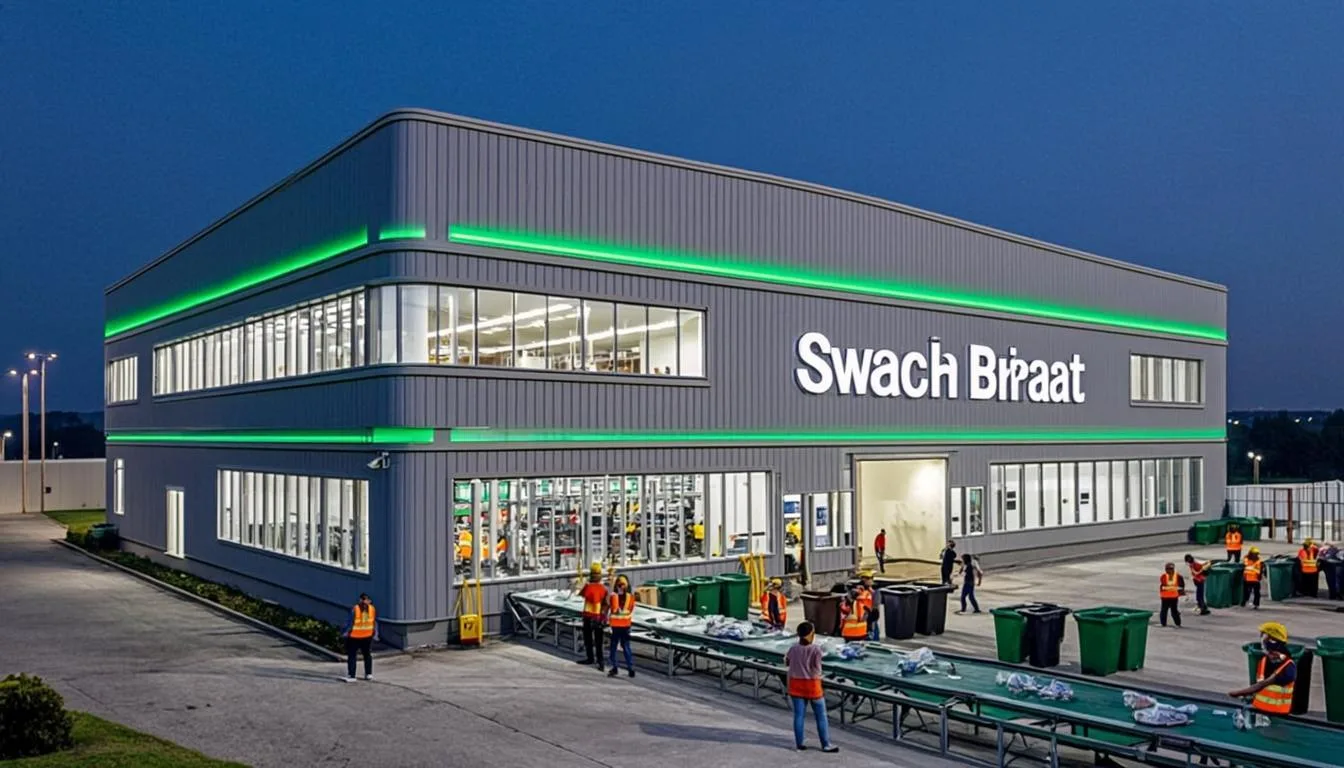
Supporting Swachh Bharat Mission
We deliver end-to-end waste management services in alignment with the Swachh Bharat Abhiyan, ensuring cleaner cities, healthier communities and a sustainable environment.
Tell us your scope, geography and timeline — we'll come back with a clear proposal within one business day.
One enterprise, four specialised verticals — discover how our other business lines can support your operations.
Pan-India transport network with a strong fleet, real-time tracking and reliable on-time delivery.
End-to-end import & export solutions with complete logistics support and global partnerships.
Advanced cybersecurity solutions to protect your business, data and digital assets.
Hover or focus any underlined term for a plain-English definition. The full glossary covers all four verticals.
The Government of India's flagship cleanliness and sanitation program, launched in 2014, which sets the framework for urban waste management, source segregation and processing across Indian cities.
Why — Defines the regulatory and operational context for every municipal waste engagement in India.
An economic system designed to keep materials in use through recovery, reuse and recycling, minimising waste and landfill — as opposed to a linear 'take-make-dispose' model.
Why — The framing against which Greenics measures waste-program outcomes, not just collection coverage.
Everyday waste generated by households and commercial establishments in urban areas — the stream a Swachh Bharat-aligned program collects, segregates and processes.
The practice of separating waste into wet, dry and hazardous streams at the point of generation (household or establishment) rather than at a distant processing facility.
Why — The single most decisive lever in whether a waste program actually diverts material from landfill.
Service Level Agreement — a documented, signed commitment on the level of service a provider will deliver, including uptime, response times and reporting cadence.
Why — An SLA signed before work starts is the difference between accountability and opinion.
A documented route through which a problem is raised to progressively more senior or specialised owners until resolved. Should be published to clients on day one of an engagement.
A chronological, tamper-evident record of system or operational activity that can be reviewed to verify compliance, investigate incidents and substantiate claims.