
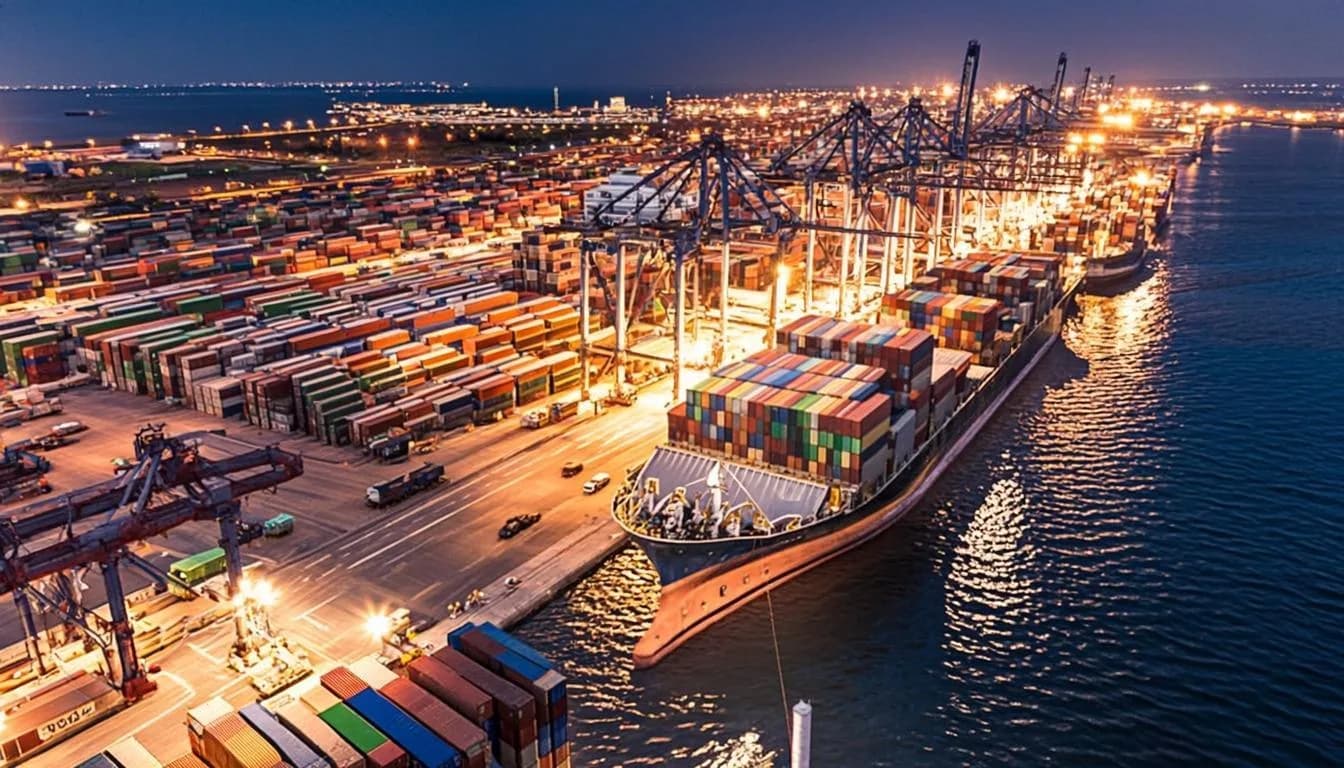
Most import failures happen before the shipment leaves the origin port. A 12-point readiness checklist that separates a smooth first consignment from a customs nightmare.
First-time importers almost always focus on the product and the price. The paperwork is treated as a downstream concern — something the customs broker will handle. This is how consignments get stranded.
Before a purchase order is signed, the importer should be able to answer twelve questions honestly. The first four are about classification: what is the exact HS code, what is the country of origin, does the product attract any specific duty, and is there an anti-dumping duty in force.
The next four are about documentation: is the supplier able to provide a compliant commercial invoice, packing list, certificate of origin and — where required — a pre-shipment inspection certificate? If the supplier hesitates on any of these, the price is not the problem.
The last four are about logistics and cash flow: what is the Incoterm, who arranges and pays for ocean freight, how long is the transit, and what is the working-capital cycle from PO to goods-in-warehouse. Many importers discover they cannot afford the order only after the container has sailed.
Trading desks that survive their first year do so because they treat this checklist as a gate, not a formality. We run it with every new client engagement — even when they have already chosen the supplier and the price.